The Role of Yoga in Supporting Better Breathing and Lung Function
Respiration is the most fundamental biological process of human existence, yet it is often the most overlooked. While the average person breathes approximately 20,000 times per day, much of this activity occurs unconsciously and inefficiently. In modern society, factors such as chronic stress, sedentary lifestyles, and poor posture have led to a prevalence of shallow, clavicular breathing. This suboptimal respiratory pattern limits oxygen intake and keeps the body in a state of low-grade physiological stress. Yoga, an ancient discipline that integrates physical postures with conscious breath control, offers a sophisticated methodology for rehabilitating the respiratory system. By combining mechanical stretches with neurological training, yoga enhances lung capacity, improves gas exchange, and strengthens the primary muscles involved in respiration.
The Mechanics of Respiration and Yoga
To understand how yoga improves lung function, one must first grasp the mechanics of a full breath. The primary muscle of respiration is the diaphragm, a dome-shaped muscle located at the base of the lungs. In an ideal breath, the diaphragm contracts and moves downward, creating a vacuum that draws air into the lower lobes of the lungs where gas exchange is most efficient.
Many individuals, however, rely on secondary respiratory muscles in the neck and upper chest. This shallow breathing pattern utilizes only a fraction of total lung capacity. Yoga addresses this through two primary avenues: the physical opening of the thoracic cavity (Asana) and the direct training of the breath (Pranayama).
Postural Alignment and Thoracic Expansion
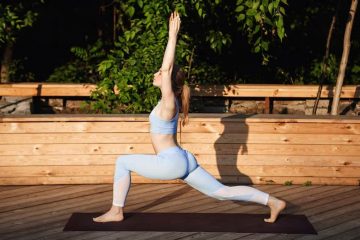
The physical postures in yoga serve as a form of structural engineering for the torso. Chronic slouching or rounded shoulders compress the rib cage, making it physically impossible for the lungs to expand fully. Yoga poses, specifically backbends and heart-openers, reverse this compression.
-
Expansion of the Intercostal Muscles: Poses such as Side Angle or Triangle pose stretch the muscles between the ribs, allowing the rib cage to expand more freely in all directions.
-
Opening the Chest and Shoulders: Poses like Cobra or Bridge pose counteract the collapsed posture associated with desk work, creating more vertical and horizontal space for lung expansion.
-
Strengthening the Core: A strong core supports the spine, which in turn ensures that the respiratory organs are not crowded or compressed by poor alignment.
Pranayama: The Science of Breath Control
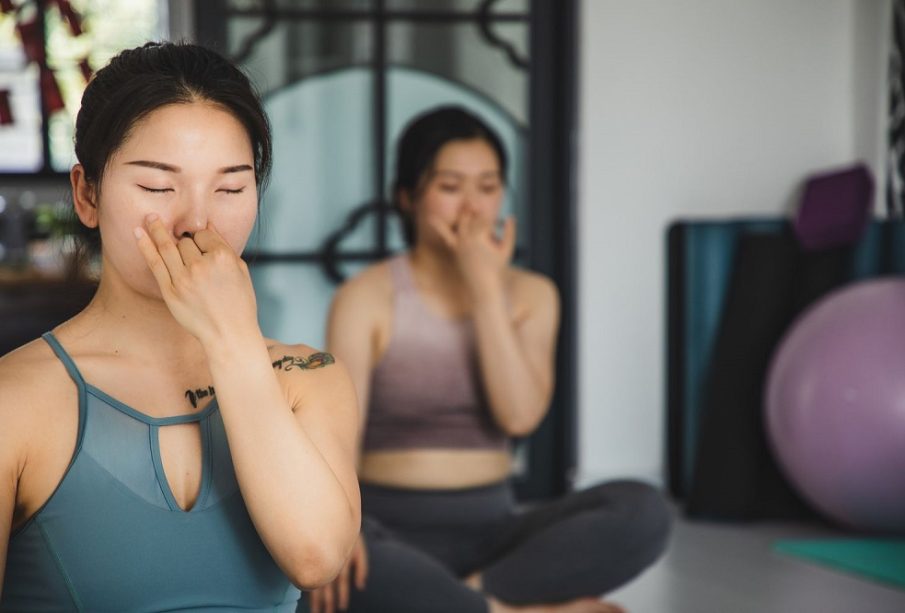
While the physical poses create the space for breathing, Pranayama provides the functional training for the lungs. Pranayama is the formal practice of controlling the breath, which is the source of our prana, or vital life force. This practice goes beyond simple deep breathing; it involves the conscious manipulation of the duration, frequency, and retention of the breath.
Diaphragmatic Breathing and Lung Volume
The foundation of yoga breathing is Adham Pranayama, or deep abdominal breathing. By focusing on the expansion of the abdomen rather than the chest, practitioners engage the diaphragm fully. Research has shown that consistent diaphragmatic breathing increases the elasticity of the lung tissue and the strength of the diaphragm. Over time, this leads to an increase in vital capacity, which is the maximum amount of air a person can expel from the lungs after a maximum inhalation.
Improving Gas Exchange Efficiency
Yoga techniques often involve a slight constriction of the throat or the use of specific ratios, such as making the exhalation twice as long as the inhalation. These methods increase the “dwell time” of the air in the lungs. This allows more time for oxygen to cross the alveolar membrane into the bloodstream and for carbon dioxide to be removed. This efficiency means the heart does not have to pump as hard to distribute oxygenated blood, leading to improved cardiovascular health alongside respiratory gains.
Yoga for Respiratory Health Conditions
The benefits of yoga extend beyond healthy individuals; it has become a valuable complementary therapy for those suffering from chronic respiratory conditions. While yoga is not a substitute for medical treatment, it provides tools for symptom management and improved quality of life.
Managing Asthma and Hyperventilation
Asthma is characterized by inflammation and narrowing of the airways, often triggered by stress or environmental factors. Yoga helps asthma patients by reducing the hyper-reactivity of the nervous system. By practicing slow, controlled breathing, patients can prevent the rapid, shallow breathing patterns that often escalate into an asthma attack. The relaxation response triggered by yoga helps to soothe the smooth muscles of the bronchioles, potentially reducing the severity of wheezing.
Support for COPD and Long-Term Lung Health
For those with Chronic Obstructive Pulmonary Disease (COPD), the lungs lose their elasticity, making it difficult to exhale fully. This results in “air trapping,” where stale air remains in the lungs, leaving less room for fresh oxygen. Yoga techniques that emphasize a long, slow exhalation help to empty the lungs more effectively. This reduces the work of breathing and helps patients manage the anxiety associated with shortness of breath.
The Neurological Connection: Breath and the Nervous System
The respiratory system is unique because it is the only autonomic function that can be easily controlled by the conscious mind. By changing the way we breathe, we can directly influence the autonomic nervous system.
The Vagus Nerve and the Relaxation Response
Deep, slow breathing stimulates the vagus nerve, which is the main component of the parasympathetic nervous system. This “rest and digest” system counteracts the sympathetic “fight or flight” response. When the body is in a relaxed state, the airways tend to be more open, and the respiratory rate stabilizes. This neurological shift is why yoga is so effective at reducing the stress-induced shortness of breath that many people experience in high-pressure environments.
Mental Clarity and Oxygenation
The brain is the body’s largest consumer of oxygen. By improving lung function and oxygen saturation through yoga, practitioners often report enhanced cognitive clarity and focus. The meditative aspect of yoga breathing helps to quiet the mind, while the increased oxygen supply provides the fuel necessary for optimal brain function.
Integrating Breathwork into Daily Life
The true value of yoga for lung function is realized when the techniques move off the mat and into daily life. Developing “breath awareness” allows an individual to notice when their breathing has become shallow or erratic during the day.
-
Morning Practice: Starting the day with five minutes of deep breathing can “wake up” the diaphragm and set a pattern of efficient respiration for the day.
-
Postural Checks: Periodically rolling the shoulders back and lifting the chest creates the physical space necessary for a full breath.
-
Stress Intervention: Using a simple 4-7-8 breathing technique (inhale for four, hold for seven, exhale for eight) during stressful moments can instantly stabilize the respiratory rate.
Conclusion
The role of yoga in supporting lung function is multifaceted, involving structural, mechanical, and neurological improvements. By treating the respiratory system as a trainable skill rather than a static function, yoga empowers individuals to take control of their most vital life process. Whether the goal is to enhance athletic performance, manage a chronic condition, or simply improve daily energy levels, the integration of yoga and conscious breathing provides a science-backed path to respiratory excellence. As we improve the quality of our breath, we inevitably improve the quality of our lives.
Frequently Asked Questions
Can yoga actually increase the physical size of my lungs?
The physical size of the lungs is determined by your rib cage and genetics and does not change in adulthood. However, yoga increases your functional lung capacity. This means you become much better at utilizing the space you already have by strengthening the respiratory muscles and improving the elasticity of the lungs, allowing you to move more air in and out with less effort.
Why does yoga emphasize breathing through the nose instead of the mouth?
The nose acts as a sophisticated filtration and humidification system. It warms the air and filters out dust and allergens before they reach the lungs. More importantly, nasal breathing releases nitric oxide, a molecule that helps dilate blood vessels and improves oxygen uptake in the lungs. Mouth breathing is generally less efficient and can trigger a stress response.
Is it dangerous to hold my breath during yoga if I have high blood pressure?
Yes, prolonged breath retention (Kumbhaka) can cause a temporary spike in blood pressure and is generally not recommended for individuals with uncontrolled hypertension or heart conditions. If you have these concerns, you should focus on the smooth, continuous flow of the breath without retention, and always consult with a physician before starting a Pranayama practice.
How does yoga help with the “shortness of breath” caused by anxiety?
Anxiety-induced shortness of breath is often a result of chest breathing and over-ventilation, which disrupts the balance of oxygen and carbon dioxide in the blood. Yoga helps by retraining the brain and body to rely on the diaphragm. By focusing on a long, controlled exhalation, you signal to the nervous system that there is no immediate danger, which naturally slows the heart rate and relaxes the airways.
What is Ujjayi breath and why is it used in yoga?
Ujjayi, often called the Victorious Breath or Ocean Breath, involves a slight constriction of the glottis at the back of the throat during nasal breathing. This creates a soft whispering sound. The resistance created by this constriction slows down the breath, helps build internal heat, and keeps the practitioner focused. Mechanically, it helps maintain pressure in the lungs, which keeps the small air sacs (alveoli) open longer.
Can yoga help people who are recovering from respiratory infections?
Yoga can be a gentle way to regain respiratory strength after an infection, such as pneumonia or bronchitis. Gentle chest-opening poses can help clear mucus and improve ventilation to underused areas of the lungs. However, it is crucial to wait until the acute phase of the infection has passed and to start with very low-intensity movements to avoid overtaxing the system.
How often should I practice breathing exercises to see an improvement in lung function?
Consistency is more important than duration. Practicing for just five to ten minutes every day is generally more effective for retraining the nervous system and strengthening the diaphragm than doing a single one-hour session once a week. Most people begin to notice an improvement in their breath awareness and ease of breathing within two to three weeks of daily practice.