How Yoga Classes Near Me Support Mental Health and Burnout Recovery
In Singapore’s competitive work culture, stress and burnout have become common experiences for professionals, students, and even homemakers. The pressure of deadlines, long commutes, and digital overload can gradually take a toll on mental wellbeing. Instead of relying solely on quick fixes, many people are turning to holistic practices that offer long-term results. Among these, yoga classes near me provide a powerful way to address mental health challenges and support recovery from burnout.
Understanding Burnout in a Modern Context
Burnout is more than just feeling tired after a busy day. It is a state of emotional, physical, and mental exhaustion caused by prolonged stress. Symptoms include chronic fatigue, irritability, difficulty focusing, insomnia, and a sense of detachment from responsibilities. In Singapore, where work-life balance is often a challenge, burnout affects people across industries and age groups. Yoga offers an accessible solution because it tackles the root causes of stress while building resilience.
How Yoga Enhances Mental Health
Reducing Stress Hormones
When stress levels are high, the body produces excess cortisol. Over time, this leads to anxiety, sleep disruption, and lowered immunity. Yoga calms the nervous system, regulates cortisol production, and restores hormonal balance. Breathing exercises and slow movements encourage relaxation, which is crucial for mental health recovery.
Creating Mind-Body Awareness
Yoga encourages individuals to connect with their bodies through mindful movement. This awareness reduces rumination and overthinking, two common contributors to anxiety and depression. When the mind is anchored to the present moment, it is easier to let go of negative thoughts.
Supporting Emotional Stability
Through regular practice, yoga improves emotional regulation. People learn to observe their thoughts without judgement, which helps reduce mood swings and impulsive reactions. Meditation and mindfulness techniques within yoga provide clarity and emotional resilience.
The Role of Breathing in Mental Wellbeing
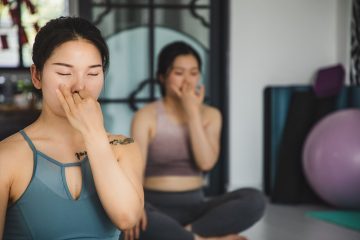
Breath is a direct link between the body and the mind. Shallow breathing often accompanies stress, while deep, controlled breathing calms the nervous system. Yogic breathing practices such as alternate nostril breathing and humming bee breath lower heart rate, reduce anxiety, and create a sense of calm. Many Singaporeans find that even five minutes of focused breathing can reset their mindset during a stressful day.
Yoga for Burnout Recovery
Releasing Physical Tension
Burnout often manifests as physical symptoms like stiff shoulders, headaches, and fatigue. Yoga postures release muscle tension and improve circulation, which reduces these discomforts. Gentle stretches and restorative poses allow the body to relax deeply.
Improving Sleep Patterns
Lack of restful sleep is both a cause and symptom of burnout. Yoga helps restore natural sleep cycles by calming the nervous system. Poses such as legs-up-the-wall and supported forward bends encourage relaxation, while evening breathing exercises prepare the body for better rest.
Building Long-Term Resilience
One of the most valuable aspects of yoga is its ability to train resilience. Instead of avoiding stress, yoga teaches practitioners to face challenges with composure. This shift in perspective is vital for long-term burnout prevention.
Incorporating Yoga into Singaporean Lifestyles
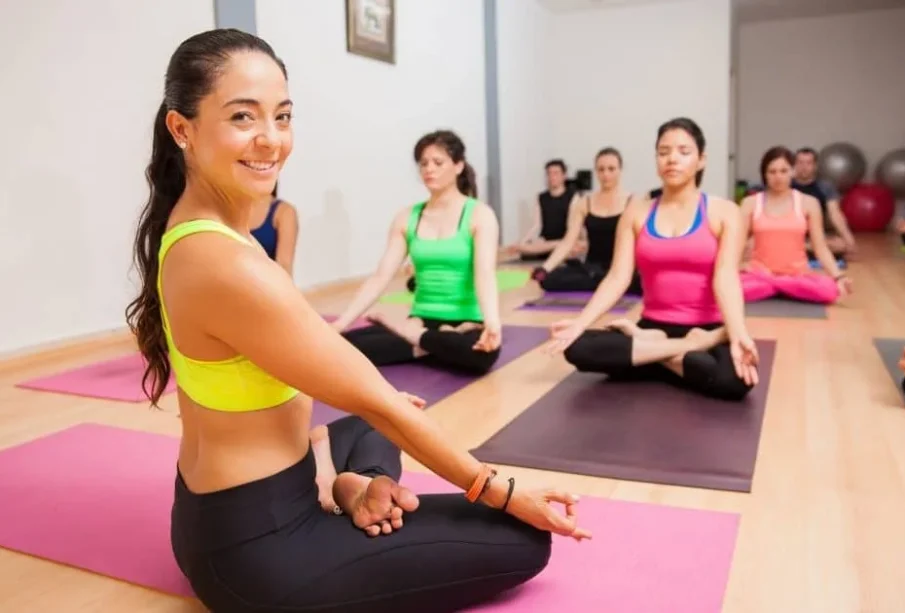
Many professionals struggle to find time for self-care, but yoga is adaptable. Even attending classes two to three times a week can make a significant difference. Those who prefer guided practice can benefit from studios like Yoga Edition, where expert instructors create supportive environments for all levels of practitioners. For individuals who travel frequently or work irregular hours, short online sessions or home practice can be integrated into daily routines.
Recommended Yoga Styles for Mental Health
-
Restorative Yoga: Focuses on deep relaxation with the use of props.
-
Yin Yoga: Targets deep tissues and encourages stillness, which helps calm the mind.
-
Hatha Yoga: Combines postures, breathing, and mindfulness in a balanced way.
-
Mindful Vinyasa Flow: Links movement to breath, promoting focus and stress relief.
Practical Tips for Beginners
-
Start with shorter sessions of 20–30 minutes and gradually increase duration.
-
Combine yoga with other healthy habits like balanced eating and regular hydration.
-
Keep a journal to reflect on mental and emotional changes after practice.
-
Practise in the evening to unwind from the day or in the morning to set a positive tone.
-
Approach yoga without pressure. Consistency matters more than perfection.
Science-Backed Benefits of Yoga for Mental Health
Several studies confirm yoga’s effectiveness for reducing anxiety and depression symptoms. Brain imaging research has shown that yoga can increase activity in areas of the brain responsible for emotional regulation. Additionally, long-term practitioners often report lower levels of stress-related inflammation, which is closely linked to mood disorders.
Why Yoga is a Holistic Approach to Burnout
Unlike temporary relaxation techniques, yoga integrates body, mind, and breath. This holistic approach ensures that improvements are not just short-term but sustainable. Burnout recovery requires more than rest. It demands a reset of how the body and mind respond to stress. Yoga equips individuals with tools that can be used anytime, anywhere.
FAQ
Q: Can yoga replace therapy or medical treatment for mental health?
A: Yoga is a complementary practice, not a replacement. It works best alongside therapy or medical treatment if required. Always consult a healthcare professional for serious conditions.
Q: How quickly does yoga help with burnout recovery?
A: Some feel immediate relief after their first class, especially in reduced tension. For lasting benefits, consistent practice over a few weeks to months is recommended.
Q: Is yoga safe for people experiencing anxiety or depression?
A: Yes, but it is important to choose calming and restorative styles rather than intense practices. Guided classes provide a safe environment for beginners.
Q: Can workplace stress really be managed through yoga?
A: Absolutely. Simple practices like breathing exercises during lunch breaks or evening restorative sessions can lower workplace stress significantly.
Q: What if I cannot attend regular studio classes?
A: Yoga is flexible. Practising at home with a few guided poses or breathing techniques still provides powerful benefits. Even five to ten minutes daily can support mental wellbeing.