How Yoga Supports Better Recovery From Sedentary Work Lifestyles
The modern professional landscape has shifted dramatically over the last several decades, moving away from physical labor toward a culture dominated by screens and desks. While this shift has led to significant technological and economic advancements, it has introduced a silent crisis of physical and mental health. The sedentary work lifestyle, characterized by prolonged sitting and repetitive digital interaction, places an unnatural burden on the human body. As humans are biologically designed for movement, the stagnation of an eight-hour workday often leads to chronic pain, metabolic slowdown, and heightened psychological stress. In this context, yoga has emerged not merely as a fitness trend, but as an essential recovery mechanism. Through its unique combination of physical postures, controlled breathing, and mindful awareness, yoga offers a comprehensive solution to reverse the damage caused by a sedentary life.
The Physiological Impact of Prolonged Sitting
Before understanding how yoga aids recovery, it is necessary to identify the specific damage caused by the desk-bound environment. Sitting for extended periods leads to a cascade of physiological issues often referred to as sitting disease. When the body remains in a seated position, several structural changes occur. The hip flexors become chronically shortened and tight, which pulls the pelvis forward and creates a compensatory strain on the lower back. Simultaneously, the gluteal muscles—the powerhouses of the lower body—experience inhibition or “amnesia,” losing their ability to fire correctly.
In the upper body, the phenomenon known as upper cross syndrome takes hold. This involves a forward-head posture and rounded shoulders as a result of typing and viewing monitors. This misalignment leads to tension headaches, reduced lung capacity due to a compressed chest cavity, and chronic pain in the neck and shoulder blades. Yoga addresses these issues by systematically reintroducing the body to its natural range of motion.
Restoring Structural Alignment Through Asana
The physical practice of yoga, known as asana, is specifically effective for sedentary recovery because it emphasizes spinal health and joint mobility. Unlike repetitive cardiovascular exercises like running, yoga focuses on eccentric and concentric muscle engagement, which helps to both strengthen and lengthen the tissues that have become distorted by office furniture.
Opening the Anterior Chain
Most desk work involves folding forward, which collapses the anterior (front) chain of the body. Yoga poses such as Cobra, Upward-Facing Dog, and Bridge Pose work to reverse this by opening the chest and stretching the intercostal muscles between the ribs. This opening allows for deeper diaphragmatic breathing, which is often restricted when we slouch. By stretching the psoas and hip flexors, yoga releases the tension that causes lower back pain, allowing the spine to return to a neutral and healthy alignment.
Strengthening the Posterior Chain
Recovery from a sedentary lifestyle requires reawakening the muscles that go dormant while sitting. Poses such as Locust Pose, Warrior III, and various balancing postures force the hamstrings, gluteals, and spinal erectors to engage. Strengthening these muscles provides the structural support necessary to maintain better posture during the workday, creating a preventative shield against future discomfort.
Metabolic and Circulatory Benefits of Movement
One of the most dangerous aspects of a sedentary lifestyle is the stagnation of blood flow and the slowing of metabolic processes. Research has shown that prolonged sitting reduces the activity of lipoprotein lipase, an enzyme essential for breaking down fats in the bloodstream. This leads to an increased risk of cardiovascular disease and type 2 diabetes.
Yoga serves as a powerful stimulant for the circulatory system. Inversion poses, such as Downward-Facing Dog or Legs-Up-The-Wall, use gravity to assist venous return, helping blood travel back to the heart and brain. Furthermore, the twisting postures in yoga serve to compress and then release the internal organs. This “squeeze and soak” effect encourages fresh, oxygenated blood to flush through the digestive and filtration organs, supporting metabolic health and detoxification.
Addressing the Psychological Toll of Desk Work
The sedentary lifestyle is not just a physical burden; it is a mental one. Professional environments often demand high levels of cognitive focus, leading to mental fatigue and chronic activation of the sympathetic nervous system, also known as the fight or flight response. Constant digital notifications and deadlines keep the body in a state of low-grade stress.
The Power of Pranyama and the Vagus Nerve
Yoga integrates breathwork, or pranayama, which is a direct gateway to the parasympathetic nervous system. When we are stressed at work, our breathing becomes shallow and centered in the upper chest. Yoga teaches the practitioner to take deep, slow, belly breaths. This stimulates the vagus nerve, which signals to the brain that it is safe to relax. This shift reduces cortisol levels, lowers the heart rate, and helps the body enter a state of “rest and digest,” which is where true recovery and tissue repair happen.
Mindful Awareness and Body Intelligence
A sedentary lifestyle often leads to a disconnection between the mind and the body. We become so focused on the tasks on our screens that we lose the ability to feel when our shoulders are hunched or when our breath has become restricted. Yoga cultivates interoception, or the ability to sense the internal state of the body. As this body intelligence increases, individuals find themselves adjusting their posture and taking micro-breaks during the workday instinctively. This heightened awareness prevents the accumulation of tension before it turns into chronic pain.
Implementing Yoga into a Professional Routine
The beauty of yoga as a recovery tool is its versatility. You do not necessarily need a ninety-minute studio session to reap the benefits. For those in sedentary roles, a tiered approach is often the most sustainable.
-
Desk Yoga: Simple movements like seated cat-cow, wrist stretches, and neck rolls can be performed every hour to break the cycle of stagnation.
-
Targeted Evening Recovery: A twenty-minute restorative practice in the evening, focusing on long-held stretches for the hips and back, can mitigate the day’s structural damage.
-
Consistent Weekly Practice: Engaging in a full-length class twice a week builds the core strength and flexibility required to withstand the physical demands of long-term sedentary work.
Long-Term Health and Career Longevity
Investing in a yoga practice is an investment in career longevity. Chronic pain and fatigue are significant contributors to burnout and decreased productivity. By prioritizing recovery through yoga, professionals ensure that their bodies remain resilient enough to support their cognitive ambitions. As the body becomes more flexible and the mind more centered, the overall quality of life improves, proving that a sedentary job does not have to result in a sedentary state of health.
Frequently Asked Questions
How long does it take to feel the benefits of yoga after sitting at a desk all day?
Most individuals feel a sense of immediate relief after just ten to fifteen minutes of targeted stretching. The acute tension in the neck and shoulders often dissipates quickly. However, structural changes, such as permanent improvements in posture and hip mobility, typically require consistent practice over four to six weeks.
Can yoga help with carpal tunnel syndrome and wrist pain caused by typing?
Yes, yoga includes several poses and exercises specifically designed to stretch the wrists and strengthen the forearms. By improving the alignment of the shoulders and elbows, yoga also reduces the nerve compression that often contributes to wrist pain.
Is it better to do yoga in the morning before work or in the evening after work?
Both have distinct advantages. A morning practice wakes up the muscles and sets a mindful tone for the day, which can improve focus. An evening practice, however, is often better for sedentary recovery as it focuses on releasing the specific tensions accumulated during the eight-hour workday.
Do I need to be flexible to start yoga for desk-work recovery?
No, this is a common misconception. Using yoga for recovery is about functional movement, not achieving advanced poses. Most people start yoga specifically because they are stiff. Using props like blocks or straps can help make the poses accessible regardless of your current flexibility level.
How does yoga compare to going to the gym for someone with a sedentary job?
While weightlifting and cardio are excellent for health, they sometimes involve repetitive movements that can exacerbate existing tight spots if not done with perfect form. Yoga provides a balanced approach that emphasizes stretching and alignment, which is often the “missing link” for those who only do traditional gym workouts.
Can yoga improve my focus and productivity during the workday?
By lowering cortisol and improving oxygen flow to the brain through deep breathing, yoga enhances cognitive function. Many practitioners find that a short yoga break provides a more sustainable energy boost than a second or third cup of coffee.
What is the single most important yoga pose for someone who sits all day?
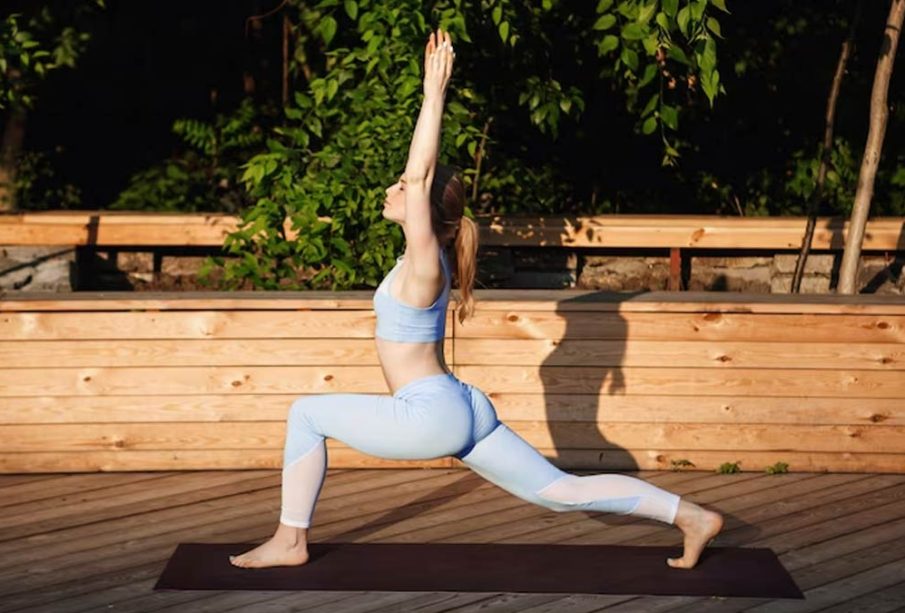
While a variety of poses is best, many experts point to the Low Lunge (Anjaneyasana). This pose directly targets the hip flexors, which are the muscles most affected by sitting, while also providing a gentle opening for the chest and lengthening for the spine.