What Elite Private Yoga Instructors in Singapore Do Before They Teach a Single Pose
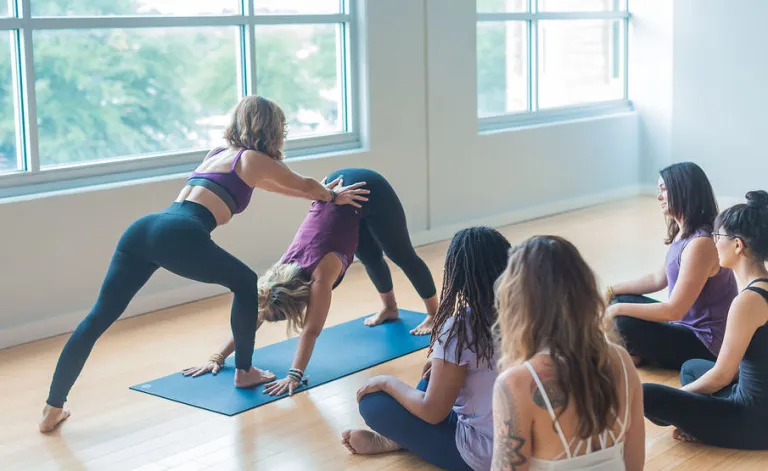
There is a moment in a first session with a genuinely skilled private yoga instructor that catches most new clients off guard. They have arrived expecting to be led through postures. Instead, they find themselves being asked to walk across the room. Then to stand on one leg. Then to bend forward while the instructor watches, asks questions, takes notes, and says nothing prescriptive for the first fifteen minutes of a session they are paying a significant hourly rate for.
This is functional movement screening, and it is one of the clearest signals that separates a private yoga instructor Singapore professional with genuine assessment skills from one who is simply delivering a personalised version of their group class. The initial assessment investment that elite instructors make before prescribing a single exercise is not a delay. It is the foundation on which a genuinely individualised practice is built.
Why Guessing Costs More Than Assessing
Most yoga injuries in private instruction settings are not caused by obviously dangerous exercises. They are caused by appropriate exercises delivered to the wrong person, or by appropriate exercises delivered without awareness of the underlying movement dysfunction that makes them inappropriate for a specific individual.
The client with chronic lower back pain who is placed into a forward fold sequence without assessment may have a presentation where forward flexion is exactly what they need, or they may have a discogenic presentation where repeated lumbar flexion is one of the worst things they could do. Without assessment, the instructor is guessing. With functional movement screening, they know.
The distinction matters financially as well as clinically. A client whose back pain worsens after three sessions of private yoga instruction does not become a long-term client. They leave, they tell people, and the instructor’s referral network suffers. The time invested in thorough initial assessment pays back many times over in appropriate programme design, better client outcomes, and the professional reputation that follows from consistently producing results.
What a Functional Movement Screen in Yoga Context Actually Involves
The functional movement screening protocols used by Singapore’s more clinically sophisticated private yoga instructors draw from both yoga tradition and allied health assessment frameworks, producing a hybrid assessment process that is specific to the demands of yoga practice.
Observational gait analysis is often the starting point, because the way a person walks reveals compensatory patterns, asymmetries, and habitual movement strategies that directly predict how they will move in yoga postures. An instructor who watches a client walk before placing them in any yoga context already knows considerably more about their movement architecture than one who proceeds directly to a yoga-specific assessment.
Standing posture assessment documents the client’s habitual alignment in the posture they spend the most time in. The relationships between head position, thoracic kyphosis, lumbar curvature, pelvic tilt, and lower limb alignment in standing directly predict the compensatory demands that yoga postures will place on the system, and knowing them in advance allows the instructor to design practices that address rather than entrench these patterns.
Basic movement pattern screening covers the fundamental patterns that yoga repeatedly demands: forward fold, squat, lateral bend, rotation, and the ability to maintain spinal neutral during extremity movement. The quality of movement in each pattern, specifically the degree of mobility available, the symmetry between sides, the compensation strategies employed, and the proprioceptive accuracy of the client’s own assessment of their performance, provides the movement baseline against which progress can be tracked.
Breathing pattern assessment, examining the quality, rhythm, and mechanics of the client’s resting breath and their response to specific breathing instructions, establishes the baseline from which breathwork interventions can be designed and against which improvement can be measured.
Pain behaviour mapping, where the instructor systematically documents which movements produce, increase, decrease, or have no effect on the client’s presenting symptoms, provides the functional pain map that guides initial programme design and ongoing progression decisions.
Translating Assessment Into Programme Design
The value of a thorough assessment is realised only when it directly and specifically shapes the programme that follows, and this translation from assessment findings to exercise prescription is a professional skill that requires both knowledge and clinical judgment.
An assessment that reveals limited thoracic rotation with compensatory lumbar rotation in a client presenting with lower back pain directly prescribes a programme emphasis on thoracic mobility work before any lumbar-loading postures. An assessment that reveals hip abductor weakness with a Trendelenburg sign in a client with knee pain prescribes a specific progression of hip strengthening work before standing balance postures are introduced. An assessment that reveals paradoxical breathing with upper chest dominance in a client presenting with anxiety and chronic neck tension prescribes diaphragmatic breathing restoration as the primary early treatment target.
These prescriptions are specific, logically derived from assessment findings, and directly connected to the client’s presenting concerns. They are what distinguishes a programme that produces consistent, traceable results from one that produces variable outcomes that neither instructor nor client can fully understand.
Studios like Yoga Edition that hold their private instructors to genuine assessment and programme design standards are providing their private clients with a quality of individualised instruction that the broader market underdelivers. In a market where private yoga instruction is common, the assessment-first approach is what makes the best instructors genuinely irreplaceable.