How Spinning Classes Help Build Lower Body Endurance Without High Impact Training
Lower body endurance is important for both fitness and daily life. Stronger, more conditioned legs can support stair climbing, walking, commuting, travelling and other everyday movement. However, many lower-body cardio workouts involve impact, such as running, jumping or outdoor sports. These may not suit everyone.
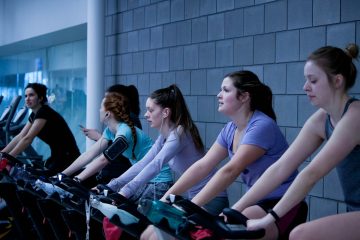
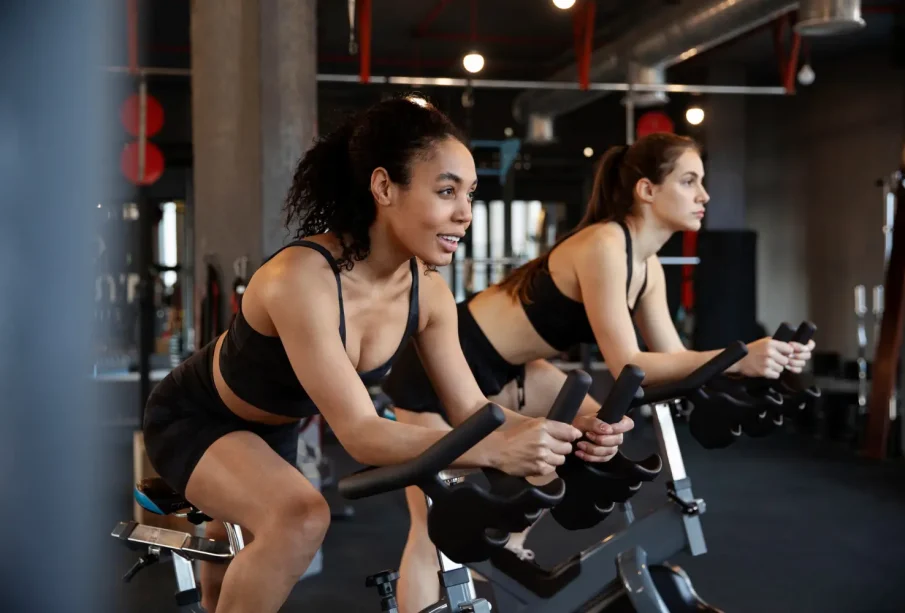
Spinning classes offer a lower-impact way to develop lower-body endurance. The bike supports the body while the legs work through resistance, cadence and sustained effort. This makes spinning useful for people who want a challenging cardio session without relying on high-impact movement.
Lower body endurance supports daily function
Endurance is not only for athletes. Many adults need better stamina for daily movement. Climbing stairs, walking through malls, commuting, carrying bags and standing for long periods all require lower-body endurance.
Spinning trains the legs through repeated cycling motion. The quads, hamstrings, calves and glutes contribute throughout the session. Over time, this can help the legs handle longer periods of effort.
This kind of conditioning can make daily movement feel easier and less tiring.
Low impact training protects consistency
High-impact training can be effective, but it may not suit people with joint sensitivity, previous injuries or discomfort during running. If a workout causes discomfort repeatedly, consistency becomes difficult.
Spinning reduces impact because riders remain on the bike and the feet stay connected to the pedals. The movement is smoother than running or jumping.
This does not mean there is no challenge. Resistance can make the legs work hard while still keeping the session lower impact.
Resistance builds strength endurance
One reason spinning is effective for the lower body is resistance. During climbs, riders increase resistance and push harder through the pedals. This challenges the legs in a different way from fast, light cycling.
Strength endurance means the muscles can keep working against resistance for longer periods. This is useful for fitness and daily movement.
A spinning class may include both faster sections and heavier climbs, giving the legs a varied endurance challenge.
Cadence improves rhythm and control
Cadence refers to pedalling speed. In spinning classes, riders are often guided to match cadence with music or instructor cues. This helps create rhythm and control.
Fast cadence sections challenge speed and cardiovascular endurance. Slower cadence with resistance challenges muscular endurance. Both are useful.
Learning to control cadence helps riders avoid random effort. The workout becomes more intentional.
Proper setup improves comfort
Bike setup matters in spinning. A seat that is too low or too high can affect comfort and movement quality. Handlebar position can influence posture. Poor setup may lead to unnecessary strain.
Before class, riders should adjust the bike properly. New participants can ask for help if needed. A comfortable setup makes the ride more effective and enjoyable.
This is especially important for people attending regularly. Small setup problems can become noticeable over time.
Spinning can support fat loss goals
Spinning can contribute to fat loss by increasing calorie expenditure and improving cardiovascular fitness. However, fat loss also depends on nutrition, strength training, sleep and daily movement.
The advantage of spinning is that it can make cardio more enjoyable and repeatable. Consistency is important for any body composition goal.
A fitness destination such as True Fitness Singapore can support members who want structured cycling classes as part of a broader gym routine.
Balance with strength and mobility
Spinning trains lower-body endurance, but it should not be the only form of training. Strength training supports muscle balance, joint stability and posture. Mobility work helps maintain comfortable movement.
A balanced routine may include spinning classes, strength sessions and stretching or yoga. This helps reduce stiffness and supports complete fitness.
Cycling can be the cardio component, while other training fills important gaps.
Recovery helps legs perform better
Because spinning uses the legs heavily, recovery is important. Riders should hydrate, eat properly and allow rest between hard sessions. Stretching the hips, quads, calves and glutes may also help.
If the legs feel heavy in every class, the weekly schedule may be too intense. Reducing frequency or mixing in lighter sessions can help.
Better recovery leads to better endurance development.
FAQ
My knees feel uncomfortable during running. Is spinning a safer option?
Spinning may feel more comfortable because it is lower impact, but bike setup and resistance matter. Start gradually and reduce resistance if discomfort appears.
Will spinning strengthen my legs?
It can improve lower-body endurance and conditioning, especially with resistance. For maximum strength, combine spinning with dedicated strength training.
How do I know if my bike seat is set correctly?
Your knee should have a slight bend at the bottom of the pedal stroke. If the seat feels too low or too high, ask an instructor or staff member for help.
Can I do spinning on consecutive days?
Some people can, but recovery matters. If your legs feel sore or heavy, allow a rest day or choose lighter activity.
Conclusion
Spinning classes help build lower-body endurance without high-impact training. They combine resistance, cadence, structure and sustained movement in a joint-friendly format.
For people in Singapore, spinning can be a strong cardio option that supports stamina and consistency. When balanced with strength, mobility and recovery, it becomes part of a complete fitness routine.