Role of Technology in Improving Modern Medical Treatment Methods
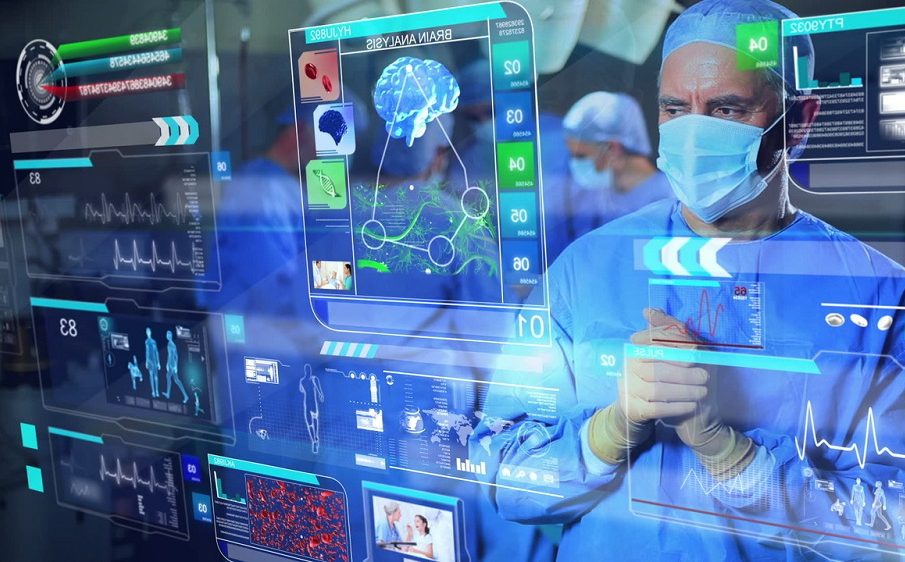
The landscape of healthcare has undergone a profound transformation over the last few decades, primarily driven by rapid technological advancement. In the past, medical treatment was often reactive, focusing on managing symptoms after a disease had already progressed. Today, the integration of sophisticated technology has shifted the paradigm toward proactive, personalized, and highly precise interventions. From the use of artificial intelligence in diagnostics to the development of robotic-assisted surgeries, technology is not just an accessory to medical practice but the very foundation upon which modern treatment methods are built. This evolution has significantly improved patient outcomes, reduced recovery times, and expanded the boundaries of what is medically possible.
Precision Medicine and Genomic Advancements
One of the most significant leaps in modern medicine is the move away from a one size fits all approach toward precision medicine. This method relies heavily on high-throughput sequencing technology and bioinformatics to tailor medical treatment to the individual characteristics of each patient.
By mapping a patient’s genetic profile, doctors can now predict how a person will respond to specific medications. This field, known as pharmacogenomics, eliminates much of the trial and error traditionally associated with prescribing drugs for chronic conditions like depression or hypertension. Furthermore, in oncology, genetic testing of tumors allows specialists to identify specific mutations and deploy targeted therapies that attack cancer cells while leaving healthy tissue unharmed. This level of precision was unimaginable twenty years ago and represents a major milestone in improving the efficacy of complex treatments.
Artificial Intelligence in Diagnostics and Imaging
Artificial Intelligence (AI) and machine learning algorithms have become indispensable tools in the diagnostic process. The ability of AI to process vast amounts of data at speeds impossible for human clinicians has revolutionized early disease detection.
-
Radiology Enhancement: AI software can analyze medical images such as X-rays, MRIs, and CT scans to identify abnormalities like tumors or fractures with a high degree of accuracy. In many cases, these algorithms can detect subtle changes that might be overlooked by the human eye, leading to earlier intervention and better survival rates.
-
Predictive Analytics: Hospitals now use AI to monitor patient vitals in real time. By analyzing trends in heart rate, blood pressure, and oxygen saturation, these systems can predict the onset of life-threatening conditions like sepsis hours before clinical symptoms appear.
-
Pathology Automation: Digital pathology, powered by AI, allows for the rapid analysis of tissue samples. This speeds up the biopsy process, ensuring that patients receive their results and begin treatment much faster than traditional manual methods allowed.
The Rise of Robotic-Assisted Surgery
Surgery has become significantly less invasive thanks to the development of robotic systems. These technologies do not replace the surgeon but rather act as an extension of their skill, providing a level of dexterity and visualization that exceeds human capabilities.
The most common robotic systems utilize a console where the surgeon controls miniaturized instruments. These instruments can rotate 360 degrees and perform movements in tight spaces within the body that a human hand cannot reach. Because these procedures require only tiny incisions, patients experience less blood loss, reduced pain, and much faster discharge times. This technology has become the gold standard for various urological, gynecological, and cardiac procedures, fundamentally changing the patient experience of surgery.
Telemedicine and Remote Patient Monitoring
Technology has effectively dismantled the geographical barriers that once limited access to high-quality healthcare. Telemedicine has evolved from simple video calls into a comprehensive ecosystem of remote care.
Remote patient monitoring (RPM) involves the use of wearable devices that track a patient’s health data and transmit it directly to their healthcare provider. For patients with chronic illnesses like diabetes or congestive heart failure, this constant stream of data allows for continuous management without the need for frequent office visits. If a patient’s glucose levels or heart rhythm falls outside of a safe range, the system automatically alerts the medical team, allowing for immediate adjustments to treatment plans. This proactive approach prevents complications and reduces the burden on emergency departments.
3D Printing in Prosthetics and Tissue Engineering
The application of 3D printing in medicine, also known as additive manufacturing, has opened new doors for customization in patient care. This technology allows for the creation of medical devices and anatomical structures that are perfectly matched to a patient’s unique anatomy.
-
Custom Prosthetics: Traditional prosthetics can be expensive and uncomfortable. 3D printing allows for the production of lightweight, highly functional limbs at a fraction of the cost, making them more accessible to patients worldwide.
-
Surgical Planning: Surgeons can now print 3D models of a patient’s specific organ or tumor based on MRI scans. This allows them to practice complex procedures on a physical replica before entering the operating room, significantly increasing the safety and success rates of the actual surgery.
-
Bioprinting: While still in the developmental stages, bioprinting involves using a “bio-ink” made of living cells to print tissues and potentially entire organs. This technology holds the promise of eventually eliminating organ transplant waiting lists.
Enhanced Drug Development and Virtual Clinical Trials
The traditional process of bringing a new drug to market is famously long and expensive. Technology is streamlining this pipeline through high-performance computing and virtual simulations.
In-silico modeling allows researchers to simulate how a new drug molecule will interact with human biological systems before it is ever tested on a living subject. This identifies potential toxicities or failures much earlier in the process, saving years of research and billions of dollars. Additionally, digital platforms are enabling decentralized clinical trials, where participants can be monitored from their homes using mobile apps and wearables. This increases the diversity of trial participants and accelerates the collection of data, leading to faster regulatory approvals for life-saving medications.
The Digitalization of Health Records and Interoperability
The shift from paper-based records to Electronic Health Records (EHRs) has improved the continuity of care significantly. When a patient moves between different specialists or hospitals, their entire medical history—including allergies, previous surgeries, and medication lists—is instantly available to the treating physician.
Modern EHR systems are increasingly interoperable, meaning different software platforms can communicate and share data securely. This integration reduces the likelihood of medical errors caused by incomplete information and ensures that every member of a patient’s care team is working from the same set of facts. Furthermore, patients now have greater access to their own data through patient portals, empowering them to take a more active role in their health management.
Future Outlook of Medical Technology
As we look toward the future, the convergence of nanotechnology, quantum computing, and advanced biotechnology promises to push the boundaries of medicine even further. We are moving toward an era where nanobots might perform repairs at the cellular level and where data-driven insights make most diseases preventable rather than just treatable. The role of technology is not merely to provide new tools, but to redefine the very essence of healing by making healthcare more human-centric, accessible, and effective for everyone.
Frequently Asked Questions
How does virtual reality contribute to medical treatment?
Virtual reality is being used both for patient treatment and medical training. For patients, it serves as a powerful tool for pain management and physical therapy, providing immersive environments that distract the brain from chronic pain or help stroke victims relearn motor skills. For doctors, it provides a risk-free environment to simulate complex surgeries.
What role does blockchain play in modern healthcare?
Blockchain technology is primarily used to enhance the security and privacy of medical records. By creating an encrypted, decentralized ledger of patient data, it ensures that sensitive health information cannot be altered or accessed by unauthorized parties while allowing for seamless, secure sharing between verified providers.
Is artificial intelligence intended to replace human doctors?
No, the goal of AI in medicine is to augment human expertise, not replace it. AI excels at processing data and identifying patterns, but it lacks the empathy, ethical judgment, and nuanced understanding of human context that a physician provides. AI serves as a high-tech assistant that allows doctors to focus more on patient interaction.
How has technology improved mental health treatments?
Technology has introduced digital therapeutics, such as apps that deliver evidence-based cognitive behavioral therapy. Additionally, tele-psychiatry has made mental health services available to individuals in remote areas, and wearable sensors are being developed to detect physiological signs of anxiety or depression before a crisis occurs.
What are the ethical concerns regarding the use of technology in medicine?
Major ethical considerations include data privacy, the potential for algorithmic bias in AI, and the equitable access to expensive new treatments. Ensuring that technological advancements benefit all socioeconomic groups and that patient consent remains a priority are central themes in modern bioethics.
How does nanotechnology improve the delivery of medication?
Nanotechnology allows for the creation of targeted drug delivery systems. Tiny nanoparticles can be engineered to carry medication directly to a specific site in the body, such as a cancerous tumor, releasing the drug only when it reaches the target. This increases the effectiveness of the treatment while minimizing side effects on the rest of the body.