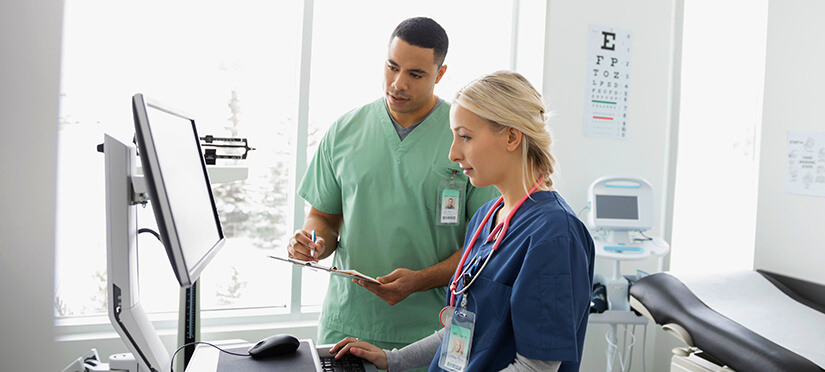
The Evolution and Impact of Modern Nursing in Healthcare
Nursing is often described as both an art and a science. It is a profession rooted in deep historical traditions of care and compassion, yet it is simultaneously driven by rigorous clinical evidence and cutting-edge technology. In the modern healthcare landscape, nurses serve as the backbone of patient care, acting as the primary interface between the healthcare system and the individual. The scope of nursing has expanded far beyond the traditional bedside role, encompassing leadership, research, health policy, and advanced clinical practice. Understanding the depth of this profession requires an exploration of its educational foundations, the diversity of its specialties, and the critical challenges it faces in a rapidly changing world.
The Foundation of Nursing Practice
At its core, nursing is governed by a patient-centered philosophy. Unlike other medical disciplines that may focus primarily on the pathology of a disease, nursing emphasizes a holistic approach. This means addressing not only the physical ailments of a patient but also their psychological, social, and spiritual needs. This comprehensive perspective is what allows nurses to provide care that promotes healing and long-term wellness rather than just symptom management.
The practice of nursing is guided by the Nursing Process, a scientific method used to ensure high-quality care. This process consists of five distinct phases: assessment, diagnosis, planning, implementation, and evaluation. By following this cyclical framework, nurses can systematically identify patient problems and tailor interventions to achieve the best possible outcomes. This structured approach is essential in high-stakes environments where split-second decisions can determine a patient’s trajectory.
Diverse Career Paths and Specialization
One of the most remarkable aspects of nursing is the sheer variety of career paths available to licensed professionals. As healthcare becomes more complex, the need for specialized knowledge has grown, leading to a wide array of nursing concentrations.
Acute and Critical Care Nursing
Nurses in these settings work with patients who have life-threatening conditions. Whether in an Intensive Care Unit (ICU), Emergency Department, or Trauma Center, these professionals must possess exceptional technical skills. They manage advanced life-support equipment, titrate potent medications, and monitor complex hemodynamics. The pressure is immense, requiring a unique blend of emotional resilience and cognitive sharpness.
Community and Public Health Nursing
Rather than focusing on individuals in a hospital, public health nurses look at the health of entire populations. They work in government agencies, schools, and non-profit organizations to prevent disease outbreaks and promote healthy behaviors. Their work is foundational to the health of a society, as they address social determinants of health such as housing, nutrition, and access to preventive care.
Advanced Practice Registered Nurses (APRNs)
The role of the Advanced Practice Registered Nurse has revolutionized the delivery of healthcare. APRNs include Nurse Practitioners (NPs), Certified Registered Nurse Anesthetists (CRNAs), Certified Nurse-Midwives (CNMs), and Clinical Nurse Specialists (CNSs). These professionals have obtained master’s or doctoral degrees and possess the authority to diagnose illnesses, prescribe medications, and manage chronic conditions. In many parts of the United States, APRNs serve as primary care providers, filling critical gaps in areas where there is a shortage of physicians.
The Integration of Technology in Nursing
The digital revolution has fundamentally altered how nurses perform their daily tasks. While the human element remains irreplaceable, technology has become a powerful tool in enhancing patient safety and efficiency.
-
Electronic Health Records (EHR): The transition from paper charts to digital records has streamlined communication across the healthcare team. Nurses can now access a patient’s entire medical history at the touch of a button, reducing the risk of medication errors and redundant testing.
-
Telehealth and Remote Monitoring: The rise of virtual care has allowed nurses to monitor patients from a distance. For individuals with chronic conditions like heart failure or diabetes, remote monitoring devices can alert a nurse to potential complications before they require hospitalization.
-
Smart Infusion Pumps and Barcode Administration: These technologies provide an extra layer of safety during medication administration. By scanning a patient’s wristband and the medication itself, nurses ensure the right patient receives the right dose at the right time.
Challenges Facing the Nursing Profession
Despite the rewards of the career, the nursing profession is currently navigating several significant hurdles. Addressing these challenges is vital for the sustainability of the healthcare system.
The Global Nursing Shortage
There is a profound shortage of qualified nurses across the globe. This is driven by an aging workforce, as a large percentage of experienced nurses reach retirement age, and a lack of nursing educators to train new students. The shortage places increased pressure on current staff, often leading to higher patient-to-nurse ratios, which can negatively impact the quality of care and patient safety.
Workplace Burnout and Mental Health
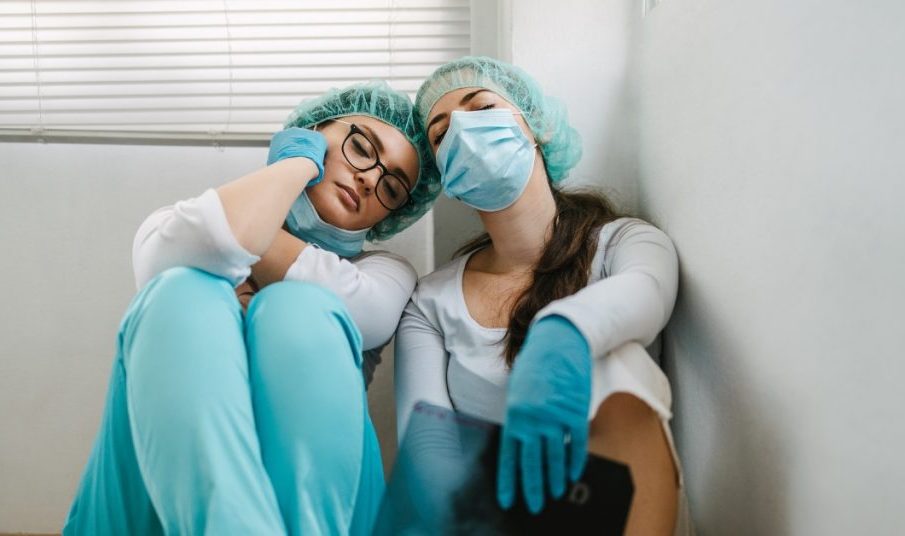
Nursing is emotionally and physically demanding. The constant exposure to suffering, long shifts, and high-stress environments contributes to burnout. Many nurses report feelings of emotional exhaustion and a diminished sense of personal accomplishment. Recognizing the importance of nurse well-being is a growing priority for hospital administrators, who are beginning to implement programs aimed at resilience training and mental health support.
Advocacy and Policy Leadership
Nurses are increasingly being called upon to take seats at the policy-making table. Because they spend more time with patients than any other healthcare professional, they possess unique insights into the flaws and strengths of the system. Nurse leaders are now advocating for legislation regarding safe staffing levels, workplace violence prevention, and expanded access to care for underserved populations.
The Future of Nursing
Looking forward, the nursing profession will continue to adapt to the needs of a diverse and aging population. The emphasis on evidence-based practice—using the best available research to guide clinical decisions—will only intensify. Furthermore, the role of the nurse as an educator will become more prominent as healthcare shifts toward a model of self-management for chronic diseases.
The future nurse will need to be a lifelong learner, staying abreast of genomic medicine, artificial intelligence in diagnostics, and complex pharmacological advancements. However, even as the tools of the trade change, the core mission remains the same: to provide competent, compassionate care that honors the dignity of every human being. Nursing is not just a job; it is a vital public service that ensures the health and stability of our communities.
Frequently Asked Questions
What is the difference between an LPN and an RN?
A Licensed Practical Nurse (LPN) typically completes a one-year certificate program and provides basic nursing care under the supervision of an RN or a physician. A Registered Nurse (RN) usually holds an Associate or Bachelor of Science in Nursing, has a broader scope of practice, and is responsible for more complex clinical assessments and the development of care plans.
How does nursing research impact daily patient care?
Nursing research identifies the most effective interventions for patient outcomes. For example, research into wound care, infection control protocols, and pain management strategies directly changes the “standard of care” that nurses follow in hospitals, ensuring that patients receive treatments that are proven to work.
What are the requirements to become a travel nurse?
Travel nursing usually requires at least one to two years of experience in a specialized clinical area, such as the ICU or Labor and Delivery. Nurses must hold a valid RN license and often obtain a multi-state license (Compact License) to practice across different states in the US.
Can a nurse transition from clinical practice into an administrative role?
Yes, many nurses move into leadership positions such as Nurse Manager, Director of Nursing, or Chief Nursing Officer. These roles focus on the operational aspects of healthcare, including budgeting, staffing, and quality improvement initiatives, often requiring a Master of Health Administration or a similar degree.
What is the significance of “Magnet Status” for a hospital?
Magnet Status is an award given by the American Nurses Credentialing Center to hospitals that demonstrate nursing excellence and high-quality patient outcomes. It signifies an environment where nurses have a voice in decision-making, professional development is encouraged, and patient care is held to the highest standards.
How do nurses contribute to end-of-life care?
Nurses play a pivotal role in hospice and palliative care by managing pain and symptoms while providing emotional support to the patient and their family. They act as advocates to ensure that the patient’s final wishes and goals of care are respected and upheld by the medical team.
What role does cultural competence play in nursing?
Cultural competence involves understanding and respecting the diverse backgrounds, beliefs, and values of patients. In nursing, this is essential for building trust and ensuring that care plans are culturally appropriate, which improves patient compliance and health outcomes.