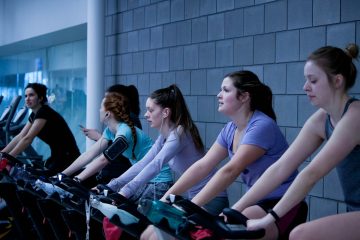
Best Fitness Techniques for Increasing Stamina and Flexibility

Physical excellence is defined by a combination of various physiological attributes, but perhaps none are as critical for daily longevity and athletic performance as stamina and flexibility. While stamina allows the body to sustain prolonged physical or mental effort, flexibility ensures that the muscular and skeletal systems can move through a full range of motion without restriction or injury. Integrating these two components into a single fitness regimen creates a synergistic effect, allowing an individual to move more efficiently and for longer durations. This guide explores the most effective techniques for building cardiovascular endurance and enhancing joint mobility through science-based methodologies.
Understanding the Foundations of Stamina
Stamina, often used interchangeably with endurance, is the body’s ability to remain active for a long period. It involves the efficiency of the heart, lungs, and muscles. To increase stamina, one must challenge the aerobic and anaerobic systems to adapt to higher workloads.
Cardiovascular Conditioning and Zone Training
The heart is a muscle that must be trained like any other. One of the most effective techniques for building a robust cardiovascular base is zone training. This involves monitoring your heart rate to ensure you are training at the appropriate intensity for your specific goals.
-
Zone 2 Training: This is low-intensity, steady-state exercise where you can still hold a conversation. Training in this zone for 45 to 60 minutes improves mitochondrial density and teaches the body to use fat as a primary fuel source more efficiently.
-
Interval Training: Alternating between high-intensity bursts and low-intensity recovery periods forces the heart to adapt to rapid changes in demand, significantly boosting VO2 max, which is the maximum amount of oxygen the body can utilize during exercise.
The Power of Progressive Overload
Stamina cannot be built overnight. The principle of progressive overload dictates that you must gradually increase the duration, frequency, or intensity of your workouts. If you run five miles this week, aim for five and a quarter the next. This incremental stress forces the cardiovascular system to strengthen its capacity to deliver oxygenated blood to working muscles.
Advanced Techniques for Enhancing Flexibility
Flexibility is often the most neglected aspect of fitness, yet it is foundational to preventing injury and improving posture. It refers to the absolute range of motion in a joint or series of joints. By improving flexibility, you reduce the internal resistance of your muscles, making every movement—from sprinting to sitting—more fluid.
Dynamic vs Static Stretching
To achieve optimal results, it is important to know when to use different types of stretching.
-
Dynamic Stretching: These are active movements where joints and muscles go through a full range of motion. Examples include leg swings, arm circles, and torso twists. These should be performed before a workout to increase blood flow and prepare the nervous system for activity.
-
Static Stretching: This involves holding a single position for 30 to 60 seconds. This is most effective after a workout when the muscles are warm. Static stretching helps to lengthen muscle fibers and reset the nervous system after the stress of high-intensity training.
PNF Stretching for Rapid Gains
Proprioceptive Neuromuscular Facilitation (PNF) is considered one of the fastest ways to increase range of motion. This technique involves both the stretching and contracting of the muscle group being targeted. By contracting the muscle while it is in a stretched position, you trigger a deep neurological relaxation response that allows the muscle to stretch further than it would through traditional methods.
The Synergy of Stamina and Flexibility
When stamina and flexibility are trained together, the result is functional athleticism. A flexible body is more aerodynamic and efficient, requiring less energy to move. This means that a runner with flexible hip flexors and hamstrings will spend less energy fighting their own muscle tension, thereby increasing their overall stamina.
Incorporating Yoga and Pilates
Both Yoga and Pilates are excellent modalities for simultaneously improving endurance and mobility.
-
Yoga: Many styles of yoga, such as Vinyasa or Power Yoga, require holding challenging poses for extended periods. This builds muscular endurance while deeply stretching the connective tissues (fascia).
-
Pilates: This practice focuses on core strength and “length.” By strengthening the deep stabilizing muscles of the spine while performing controlled movements, Pilates ensures that the body remains flexible and resilient during high-impact stamina activities like running or cycling.
Nutritional Support for Endurance and Mobility
A fitness regimen is only as effective as the fuel provided to the body. Increasing stamina and flexibility requires specific nutritional interventions to support tissue repair and energy production.
Hydration and Electrolyte Balance
Muscle fibers are composed largely of water. Dehydration leads to muscle tightness and a significant drop in cardiovascular performance. Electrolytes like sodium, potassium, and magnesium are essential for the electrical signals that govern muscle contractions and nerve impulses. Without these, you will experience premature fatigue and cramping.
Anti-Inflammatory Nutrition
Chronic inflammation can lead to stiff joints and slow recovery times. Consuming a diet rich in omega-3 fatty acids, turmeric, and antioxidants helps to keep the connective tissues supple and reduces the oxidative stress caused by long-duration stamina training.
Behavioral Strategies for Long-Term Success
Physical techniques are only half the battle; the mental approach to training determines whether you will see long-term results.
The Importance of Active Recovery
Building stamina and flexibility does not mean training at maximum intensity every day. Active recovery—such as a light walk or a gentle swimming session—promotes blood flow to tired muscles without adding excessive stress. This helps flush out metabolic waste and keeps the joints mobile during the healing process.
Breathwork and Oxygen Efficiency
The way you breathe directly impacts your stamina. Many people engage in shallow chest breathing, which limits oxygen intake and triggers the stress response. Practicing diaphragmatic breathing (belly breathing) increases the efficiency of gas exchange in the lungs, allowing you to sustain higher levels of activity with less perceived effort.
Structuring Your Weekly Routine
To see consistent progress, your weekly schedule should balance high-intensity stamina work with dedicated mobility sessions.
-
Monday: High-intensity intervals (stamina) followed by 10 minutes of static stretching.
-
Tuesday: Dedicated 45-minute Yoga or PNF stretching session (flexibility).
-
Wednesday: Steady-state cardio in Zone 2 (stamina).
-
Thursday: Functional strength training with an emphasis on full range of motion.
-
Friday: Long-duration cardio (stamina).
-
Saturday: Full body mobility and active recovery.
-
Sunday: Rest.
The Role of Consistency and Patience
Changes in the cardiovascular system and the elasticity of muscle tissue take time. While you may feel more flexible after a single session, permanent changes in muscle length and heart efficiency require months of consistent effort. By viewing these techniques not as a temporary fix but as a lifelong commitment to movement, you ensure that your body remains capable, resilient, and energetic well into the future.
Frequently Asked Questions
Does lifting heavy weights decrease flexibility?
No, lifting weights can actually improve flexibility if you perform the exercises through a full range of motion. Strength training strengthens the muscle at its weakest points (the fully extended positions), which signals to the nervous system that it is safe to allow that range of motion. Problems only arise when individuals perform “partial reps” or neglect stretching.
Can you build stamina without running?
Absolutely. Stamina is about cardiovascular demand, not a specific movement. Rowing, swimming, cycling, and even high-repetition kettlebell training are all highly effective ways to build endurance without the high impact associated with running.
How often should I stretch to see real results?
For significant improvements in flexibility, a daily practice is ideal. Even 10 to 15 minutes of dedicated mobility work each day is more effective than one long session per week. Muscles and fascia respond best to frequent, gentle signals for lengthening.
What is the best way to breathe during a stamina-based workout?
The goal is to maintain deep, rhythmic breathing. Ideally, you should inhale and exhale through your nose for as long as possible. Nasal breathing filters the air and helps maintain a better balance of oxygen and carbon dioxide, which can prevent the “side stitch” common in runners.
Why do I feel stiffer the day after a long endurance workout?
This is often due to micro-tears in the muscle fibers and the accumulation of metabolic byproducts. Additionally, during long workouts, the body loses fluids and electrolytes, which can cause muscles to contract and feel tight. Rehydration and light movement the following day are the best remedies.
Is it possible to be “too flexible”?
While rare for the average person, it is possible to have hypermobility without the necessary muscle strength to stabilize the joints. This can lead to dislocations or ligament strains. The key is to balance flexibility with functional strength so that your muscles can support your joints throughout their entire range of motion.
How does sleep affect my stamina and flexibility?
Sleep is the primary time when the body repairs the soft tissue damaged during training and regulates the hormones responsible for energy metabolism. Lack of sleep increases perceived exertion, making your workouts feel harder, and leads to increased muscle tension, which directly inhibits flexibility.