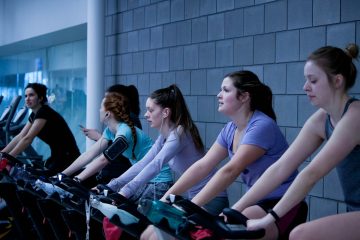
Indoor Cycling Singapore: How to Personalise Your Training Plan for Maximum Gains
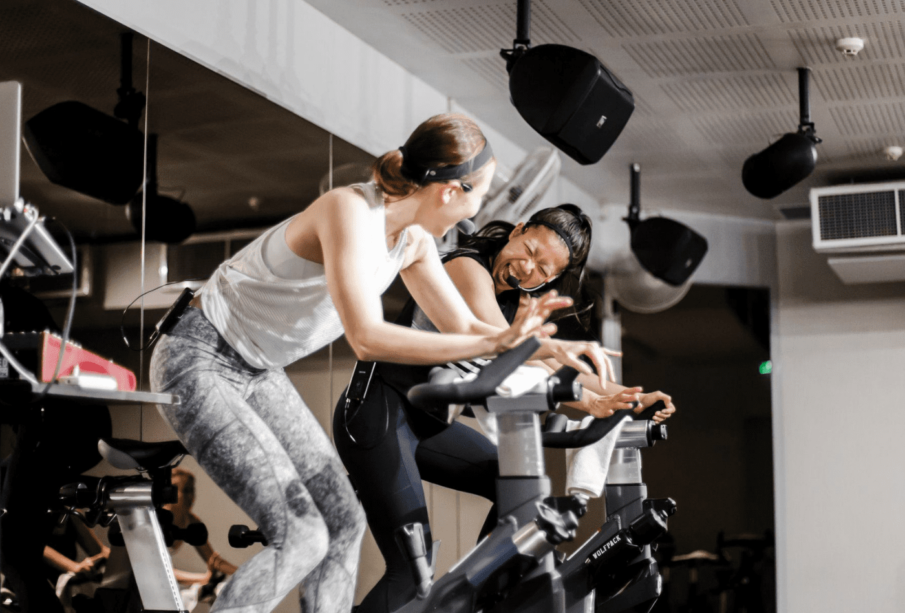
In Singapore’s dynamic fitness landscape, indoor cycling has become one of the most popular ways to build cardiovascular fitness, burn calories, and improve endurance. However, if you truly want to maximise the results of indoor cycling singapore, a one-size-fits-all approach will only take you so far. To unlock your full potential, it is essential to personalise your indoor cycling training plan to suit your individual goals, fitness level, and lifestyle.
Customisation is the key to transforming indoor cycling from a routine workout into a powerful tool for measurable and sustainable fitness gains. In this article, we will explore how to tailor your indoor cycling journey, ensuring that every ride brings you closer to your personal best.
Why Personalisation Matters in Indoor Cycling
No two cyclists are the same. Some may be chasing weight loss, others may aim for endurance, while some want explosive sprint power. If you simply attend random classes without a clear purpose or progression, you risk plateauing or, worse, losing motivation altogether.
A personalised plan aligns every ride with your specific objectives, making each session meaningful and efficient. This approach not only accelerates physical results but also keeps you mentally engaged and invested in your fitness journey.
In Singapore’s fast-paced environment, where time is precious, optimising your indoor cycling sessions ensures that every minute on the bike counts.
Step 1: Define Your Cycling Goals Clearly
Before you even adjust the seat height or clip into your pedals, you must first identify what you want to achieve with indoor cycling. Your goals will shape your training frequency, intensity, and type of classes you should attend.
Common goals for indoor cyclists include:
- Fat Loss: Prioritising high-intensity interval rides that maximise calorie burn
- Endurance Building: Focusing on longer, steady-state sessions to boost stamina
- Strength and Power: Incorporating heavy resistance climbs and sprint intervals
- Recovery and Health: Engaging in lower-intensity rides to support active recovery or manage stress
Tip: Write down your goals and review them every few weeks. Tracking your progress visually can greatly enhance motivation.
Step 2: Choose the Right Class Types and Formats
Not all indoor cycling classes are created equal. Singapore’s studios offer a wide variety of class formats, from endurance rides to rhythm-based choreography classes.
Here’s a general guide to selecting classes based on your goals:
- Endurance and Stamina:
Choose classes that offer longer, sustained intervals with moderate resistance. - Speed and Power:
Opt for sprint-focused sessions that include short, explosive efforts with light resistance. - Muscular Strength:
Attend classes that emphasise hill climbs and heavy resistance work, often maintaining slower cadences. - Overall Fitness and Fun:
Select rhythm rides or hybrid classes that mix cardio, strength, and even light upper body movements for a full-body experience.
Many premium gyms like TFX offer a variety of indoor cycling options, ensuring you can find sessions aligned to your personal fitness blueprint.
Step 3: Determine Your Ideal Weekly Training Frequency
Your body needs a balanced combination of challenge and recovery to thrive. Depending on your current fitness level and overall activity, your ideal indoor cycling frequency will differ.
- Beginners: 2–3 sessions per week, focusing on technique and building base fitness
- Intermediate Riders: 3–4 sessions per week, incorporating both endurance and intensity
- Advanced Cyclists: 4–5 sessions per week, including structured periodisation cycles (more on this later)
Always factor in active recovery days to allow your muscles and nervous system to repair and adapt. Overtraining can lead to fatigue, injury, and mental burnout, which can be counterproductive to your long-term goals.
Step 4: Understand and Apply Training Zones
If you want to take your indoor cycling performance to the next level, training with heart rate zones or power zones is highly effective. Most modern indoor cycling bikes in Singapore’s top gyms are equipped with monitors to guide you through different intensity levels.
The basic heart rate training zones are:
- Zone 1 (Recovery): 50-60% of maximum heart rate — light effort, easy breathing
- Zone 2 (Endurance): 60-70% — ideal for fat burning and base stamina
- Zone 3 (Tempo): 70-80% — challenging but sustainable
- Zone 4 (Threshold): 80-90% — hard effort, improving aerobic capacity
- Zone 5 (Maximal Effort): 90-100% — very intense, short bursts
By varying your workouts across these zones, you ensure comprehensive development rather than overworking a single system. It also keeps training interesting and physically balanced.
Step 5: Plan Periodisation Cycles
Periodisation involves dividing your training into blocks or cycles, each with a specific focus. For example:
- Base Phase (4–6 weeks): Focus on building endurance with longer, lower-intensity rides.
- Build Phase (4–6 weeks): Introduce higher-intensity intervals to improve speed and strength.
- Peak Phase (2–3 weeks): Maximise performance with targeted high-effort rides and reduced volume.
- Recovery Phase (1 week): Light rides and active recovery to allow full restoration.
By planning periodisation strategically, you can avoid plateaus, reduce the risk of injury, and maintain continuous improvement throughout the year.
Step 6: Incorporate Cross-Training and Strength Work
While indoor cycling offers excellent cardiovascular benefits, it is important to supplement your rides with strength training and mobility exercises. Singapore’s top fitness experts recommend cross-training to enhance cycling performance and overall health.
Consider adding:
- Leg Strength Training: Squats, lunges, and deadlifts to increase pedal power.
- Core Stability Work: Planks, Russian twists, and bird-dogs for improved balance and posture on the bike.
- Mobility and Flexibility: Yoga or stretching sessions to maintain joint health and reduce stiffness.
A strong, mobile body not only performs better during indoor cycling sessions but also recovers faster and sustains less injury over time.
Step 7: Listen to Your Body and Adjust as Needed
Personalisation is not a set-it-and-forget-it plan. Regularly assess your physical condition, energy levels, and progress. If you feel unusually fatigued, adjust your training intensity or volume accordingly. Fitness is a long-term journey, and respecting your body’s signals ensures that you can continue progressing safely and sustainably.
Signs you may need to modify your plan:
- Decreased performance or slower recovery
- Persistent fatigue or soreness
- Drop in motivation or enjoyment
- Sleep disturbances or mood changes
Small adjustments can keep your indoor cycling journey on track without risking burnout or injury.
Fuel Your Indoor Cycling for Better Results
Nutrition and hydration play a pivotal role in supporting your training efforts. Especially in Singapore’s humid environment, replenishing fluids and nutrients before, during, and after rides is essential.
- Before Ride: Light, carbohydrate-focused snack (e.g., banana, energy bar)
- During Ride: Sip water consistently; consider electrolyte drinks for rides over 60 minutes
- After Ride: Combine protein and carbohydrates to promote muscle repair and glycogen replenishment
Smart fuelling ensures you have the energy to perform optimally and recover effectively between sessions.
Conclusion: Take Charge of Your Indoor Cycling Journey
Personalising your indoor cycling singapore experience is the ultimate investment in your fitness future. By setting clear goals, selecting the right classes, applying training science, and listening to your body, you can transform every ride into a strategic step towards success.
Indoor cycling is not just about spinning pedals — it’s about creating a smarter, stronger, and more resilient version of yourself, one session at a time.